


Marlborough, New Zealand
MGGCOOP: a co-op disease protocol built on data
Disease and fruit quality management across a co-op of 85 member growers.

At a glance
- 85 growers on one quantified disease standard.
- 5 passes of disease scanning every summer.
- 3 days from scan to verified conclusion.
The Marlborough Grape Growers Cooperative (MGGCOOP) sells its wine before it grows it. Twelve to fifteen thousand tonnes a year from 85 member growers, against volumes that are already committed. The co-op owns no vineyards of its own, so the real product it offers its members is information: what their fruit is doing, and what to do about it while there is still time. And on disease, that information used to arrive the old way: when someone saw the fuzz.
- Customer
- Mart Verstappen at MGGCOOP, Marlborough, New Zealand (85 growers, 1.6M vines).
- Use case
- Disease & fruit quality management across the entire co-op.
- Setup
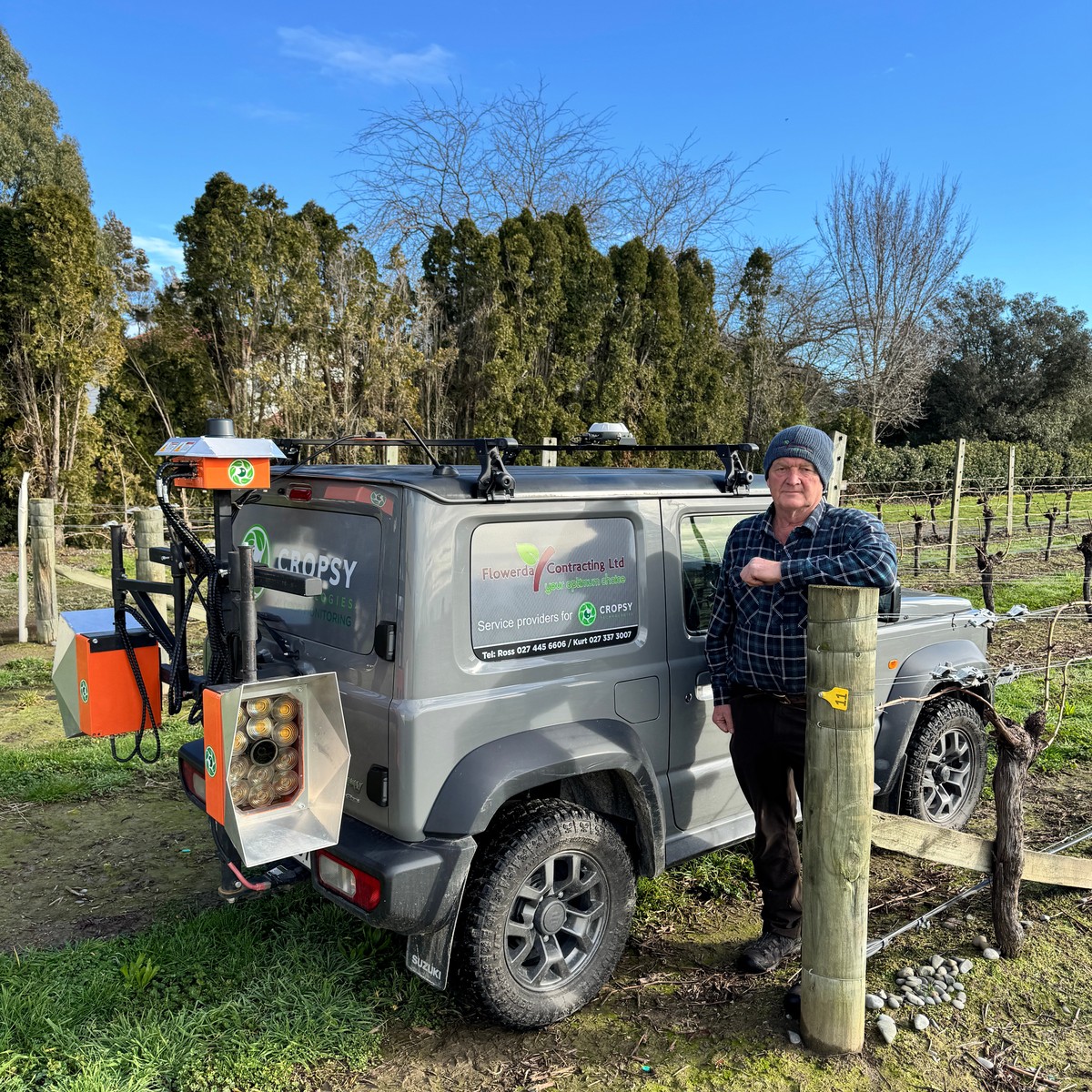
- Five disease passes per summer, delivered as a service by Flowerday Contracting; every grower sees their own blocks the morning after scanning.
- Result
- A fruit-rejection protocol with Cropsy as the first point of quantification; in-season saves (“disasters were averted”); a harvest with “no complaints” from the winemakers.
The challenge
“We always get some mildew”, says Mart. It’s a familiar expectation when, across 85 growers, disease management decisions run on visual checks and spray diaries are only checked at the end of the season.
The opportunity
Cropsy’s summer disease scans allowed Mart to create a defensible, quantified disease management standard that runs all the way from sampling to fruit rejection, with Cropsy providing the very first point of assessment. With every block scanned, Mart could focus on the areas with known problems rather than hunting for them.
What happened
- The protocol was built on data. Enforcing the co-op’s fruit rejection thresholds now starts with Cropsy as the first point of disease quantification; scans show where every block sits against the thresholds, and blocks that hit the trigger escalate to a 100% scan, a manual assessment, and an independent assessor if needed. It’s a consistent, evidence-first approach that’s fair to every grower.
- A three-day loop from start to finish. When a December scan showed unusually high powdery mildew at one member vineyard, Mart walked the flagged rows the next morning, brought in an external disease specialist, established the infections weren’t active, and emailed the grower a plan. This took only three days from scan to a verified conclusion, with the spray diary requested mid-season rather than at season’s end.
- The miss that shaped the rule. A season earlier, a mildew detection at flowering was shrugged off, and by the time it was checked, the block needed fruit dropped three separate times to be harvestable. The missed sprays were sitting in the diary. That lesson is now baked into the protocol: verify diseases at detection, not at harvest.
The results
- One quantified disease management standard across 85 growers with an evidence path for the hardest conversation in a grower-supply relationship: rejecting a member’s fruit.
- Early detections can save a block at harvest: where disease was picked up early, intervention followed within days. With 85 growers to look after, that’s a feat.
- A vintage where “disasters were averted…winemakers were very happy and there were no complaints.”
“In these times when everyone’s watching what they’re spending, the better the data you have, the better the decision-making all the way from pruning to harvest.”
More case studies
-
Flowerday Contracting Marlborough
A scanning business on one Jimny
New Zealand’s first Cropsy service provider: one scanner on a Suzuki Jimny, over 100 growers, and pruning QA turned into a product line.
-
MGGCOOP Marlborough
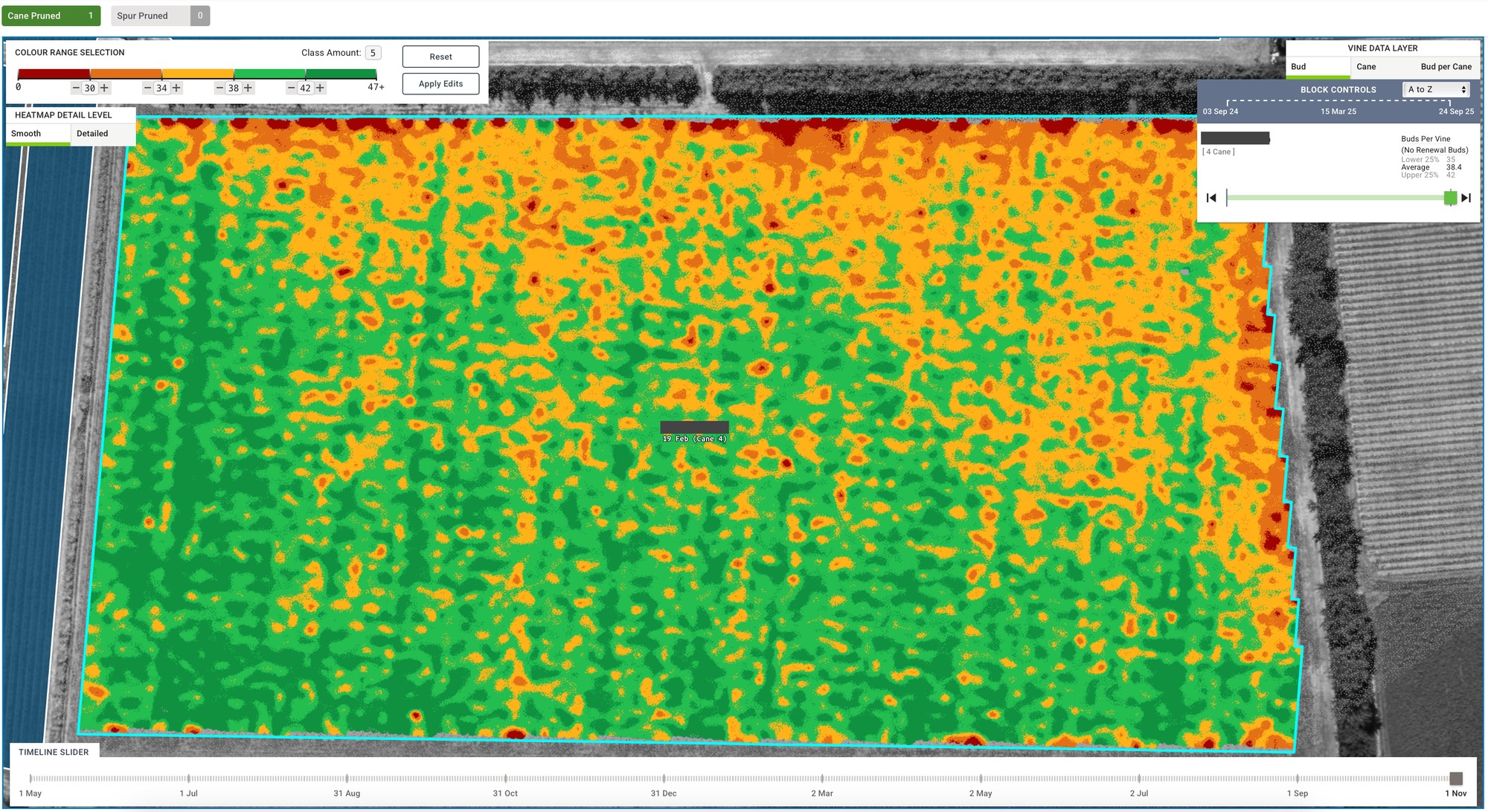
Consistent yield counts across 85 growers
Every vine counted the same way, and a co-op-wide yield model built on the data within a week of the final counts.